The city with the most Historic Sites in Iran
 doiniran
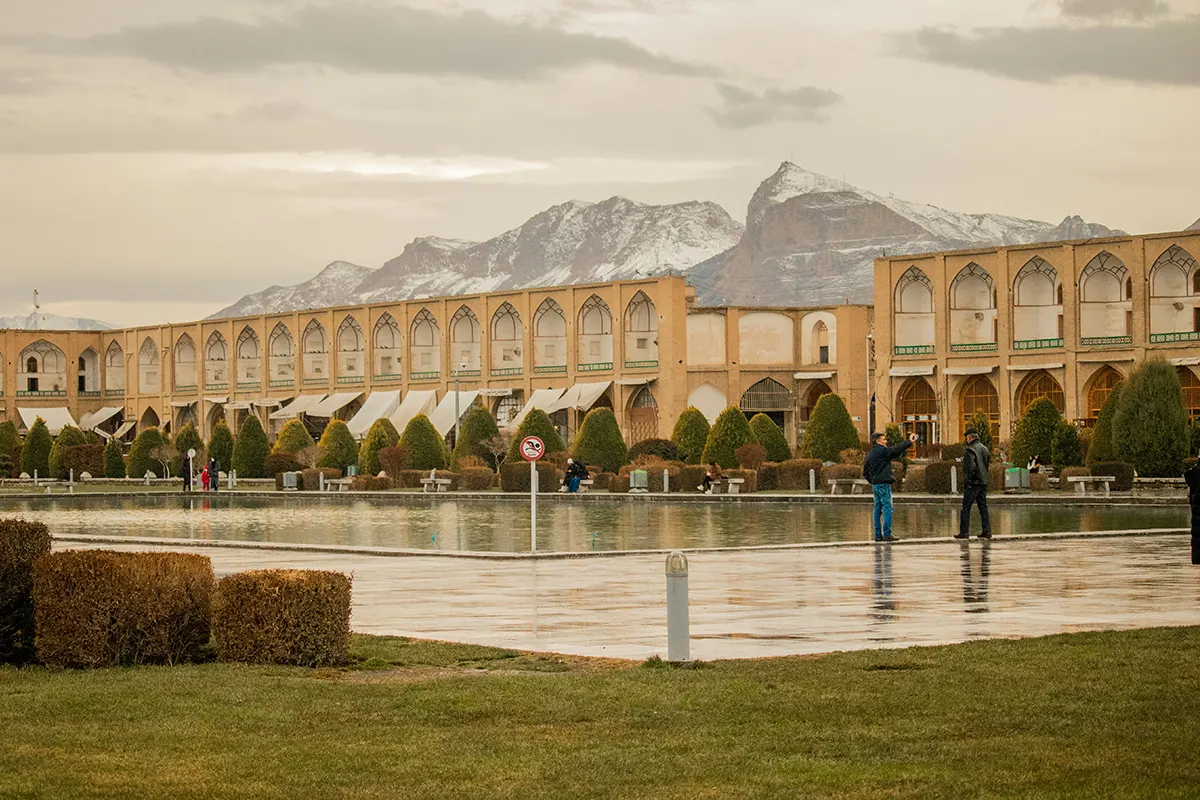
Iran has a history of thousands of years, and each of its cities holds a treasure of architecture, art, and memory. This list introduces six cities, each known for its own monuments and attractions. Together they show how a city with the most historical sites in Iran can shine in many different ways, each with its own style and story. If you are looking for a journey full of history and beauty, this route is for you.
Isfahan
Isfahan is rightly called "half of the world," as it holds monuments from the Safavid, Seljuk, and Ilkhanid periods. Its garden-lined streets, bridges, and grand squares each have a story, and walking through them is an unforgettable experience. That is why Isfahan is one of the best examples of a city with the most historical sites in Iran. Every corner of the city carries traces of the artists who built it centuries ago.
Naqsh-e Jahan Square
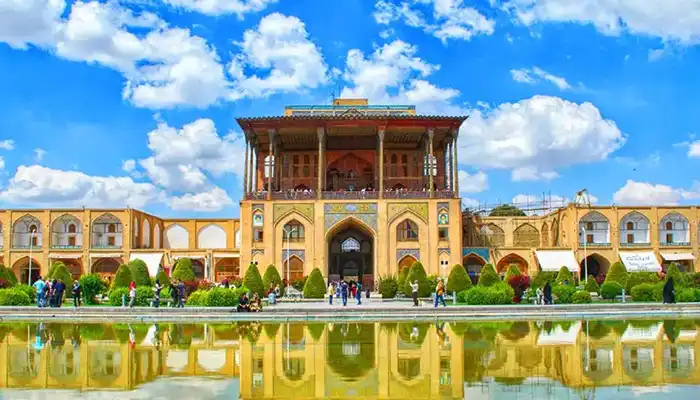
This vast square was built under Shah Abbas I and is today one of the largest historic squares in the world. The Imam Mosque, Sheikh Lotfollah Mosque, and Ali Qapu Palace surround it. At sunset, when light falls on the tiles, the view is truly unique. Do not miss a visit.
Si-o-se-pol Bridge
This bridge, with its many arches, spans the Zayandeh River and takes its name from the number of its arches. In the past it was not only a crossing but also a gathering place for conversation. At night, when its lights come on and are reflected on the water, the scene feels like a dream. Sitting by the river at that hour is a simple but deep pleasure.
Chehel Sotoun Garden and Palace
Chehel Sotoun Palace, with its wooden columns and mirrored hall, is a beautiful example of Safavid garden architecture. Its name refers to the tall columns reflected in the water of the pool, suggesting the number forty. The murals in the reception hall show scenes of feasts and hunting. Seeing these details up close brings the past back to life.
Vank Cathedral and Jolfa District
The Jolfa district reflects the long historical presence of the Armenian community in Isfahan, and its streets have a distinct atmosphere. Vank Cathedral, with its colorful murals and distinctive architecture, is one of the main attractions of the district. Its small museum also offers valuable information about the history of this community. Walking through Jolfa brings to mind the meeting of cultures.
Shiraz
Shiraz is known as the city of poetry, fragrance, and flowers, and it is home to the tombs of great figures of Persian literature. The city lies near Pasargadae and Persepolis, which has made it an ideal destination for history lovers. Its green gardens and traditional bazaars give it a warm and welcoming feel. Shiraz also holds a special place among a city with the most historical sites in Iran.
Persepolis
Persepolis, the ceremonial capital of the Achaemenids, lies about 60 kilometers from Shiraz and is one of the most magnificent archaeological complexes in the world. Its stone reliefs, inscriptions, and columned halls reveal the grandeur of that empire. The great gateway known as the Gate of All Nations is an unforgettable moment for every visitor. It is best to go early in the morning to avoid the daytime heat.
Eram Garden
Eram Garden, with its tall cypress trees, calm pools, and pink mansion, is one of the most beautiful historic gardens in Iran. Its name recalls the heavenly gardens described in Persian literature. The water features and orderly paths show the art of Iranian garden design at its best. Walking in the shade of its trees brings a rare sense of peace.
Vakil Bazaar and Vakil Bath
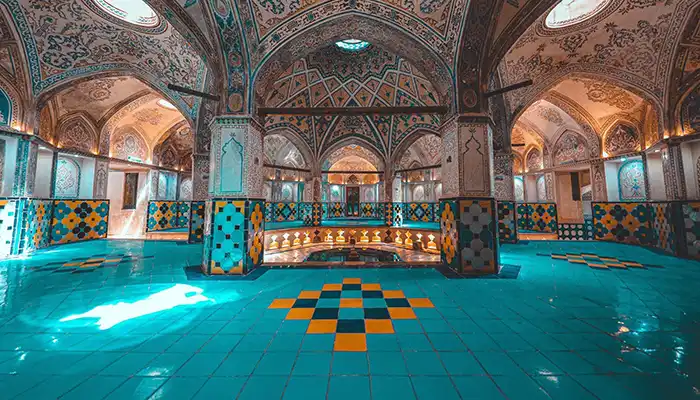
Vakil Bazaar, with its brick vaults, pointed arches, and craft shops, has a traditional and lively atmosphere. Here you can find handicrafts such as carpets, pottery, and perfume, and chat with local people. The nearby Vakil Bath dates from the Zand period and reflects the architectural skill of that era. A walk through this part of the city offers a real glimpse into the daily life of Shirazis.
Yazd
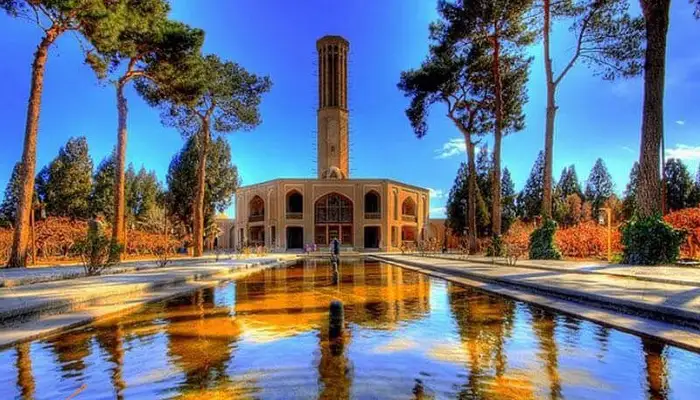
Yazd is one of the oldest mud-brick cities in the world, with narrow lanes and clay houses that give it a unique character. Its tall windcatchers are the city's symbol and show how people in the desert learned to cope with the heat. These features make Yazd one of the leading examples of a city with the most historical sites in Iran. Every lane tells a story of life in the desert.
Yazd Jame Mosque
Yazd Jame Mosque, with its turquoise tilework and two tall minarets, is one of the most beautiful buildings from the Ilkhanid and Muzaffarid periods. Its grand entrance and mihrab have carefully designed architectural details. During the day, sunlight on the tiles creates lovely patterns of color. The mosque is a symbol of the art and faith of the people of Yazd.
Windcatchers
Windcatchers are ventilation towers that bring cool air into houses and water cellars without electricity. Their tall shapes on the city skyline give Yazd a distinctive image that sets it apart from other Iranian cities. Many windcatchers stand beside qanats and water reservoirs, a combination that reflects the engineering skill of earlier generations. Seeing them at sunset will stay with you for a long time.
Amir Chakhmaq Complex
The Amir Chakhmaq complex stands in the city's main square, with a tiled facade and brick decoration, and is one of Yazd's symbols. At night, its lighting gives it a dreamlike look that draws many visitors. You can walk around the square to experience the lively atmosphere of the city. Evening and night are the best times to see this complex.
Tabriz
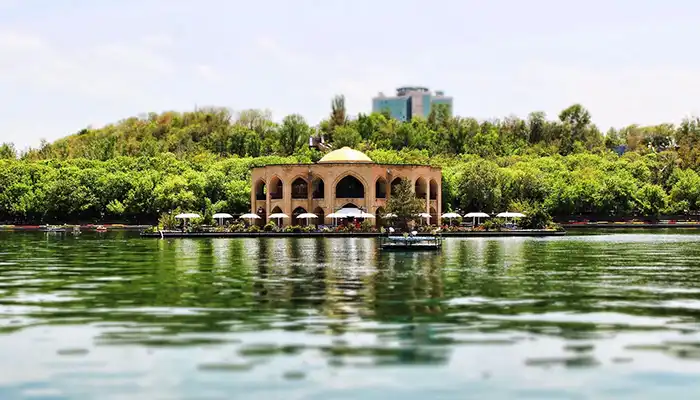
Tabriz was an important political and commercial center during the Ilkhanid and Safavid periods, and silk caravans passed through it on their long routes. This position made it a meeting point for merchants and cultures from many lands. Today Tabriz is also known as a city with the most historical sites in Iran. The city combines its old buildings and modern life in a striking balance.
Tabriz Bazaar
The Tabriz Bazaar was inscribed on the UNESCO World Heritage List in 2010 and is one of the largest and oldest covered markets in the world. Its arcades, caravanserais, and merchant houses show how the city was a center of trade for centuries. The air is filled with the scents of spices and fabrics, which makes a visit a lively experience. It is best to walk slowly through its alleys and take in the details.
Blue Mosque
The Blue Mosque takes its name from its beautiful blue tiles and is one of the symbols of Tabriz. It dates from the Ilkhanid and Timurid periods, and its geometric and floral designs were executed with great precision. Parts of the building were damaged in earlier earthquakes, yet it still keeps its charm and its place among the city's icons. Sunlight on its blue tiles is a particularly delightful sight.
Tabriz Citadel
The Tabriz Citadel is a brick structure from the Ilkhanid period and an example of the military and administrative fortresses that witnessed the city's changes over the centuries. Its high walls and towers evoke the authority of the past. From the top, you can see a wide view of the city and better understand Tabriz's历史 path. It is an excellent place for history lovers and photographers.
Kashan
Kashan is a historic city in Isfahan Province, known for its gardens and traditional houses that have a calm atmosphere. The city is famous for rose water and tiles, and its bazaars carry the scent of damask roses. Its architectural and natural beauty has made Kashan one of the examples of a city with the most historical sites in Iran. Every corner of the city carries the color and fragrance of history.
Fin Garden, Kashan
Fin Garden, with its blue pools, cypress trees, and Safavid-era pavilions, is one of the most beautiful Iranian gardens. Its water features and small channels create a cool and peaceful space. In the middle of the desert, the garden shows how Iranians used water with great ingenuity. Walking in the shade of its tall cypresses brings a sense of calm.
Borujerdi House
This historic house, with its fine tilework, plasterwork, and mirror decoration from the Qajar period, is a prominent example of the grand houses of Kashan. Its central courtyard and windcatchers created a pleasant space for family life in the past. The details of its interior decoration reveal the taste and skill of its owners. A visit is a short journey into the life of the Qajar elite.
Agha Bozorg Mosque and School
Agha Bozorg School, with its large courtyard, brick iwans, and student cells, is one of the important Safavid-era buildings in Kashan. For centuries it was a place where students of religious sciences studied, and today it preserves the spirit of that educational system. The calm courtyard and the shade of its iwans are ideal for a quiet stroll and reflection. Morning, when there are fewer visitors, is the best time to go.
Kerman
Kerman lies in southeastern Iran and is known for its historic buildings, old gardens, and ancient castles. In the past the city was on caravan routes, and this location left it with a rich heritage. The variety of its monuments has made Kerman one of the cities of a city with the most historical sites in Iran. The desert landscape around the city contrasts beautifully with the greenery of its gardens.
Ganjali Khan Complex
This historic complex dates from the Safavid period and includes a bath, a bazaar, a mosque, and a square that together form a coherent urban fabric. Its tilework and decorative portals give the buildings a special charm. Walking through the bazaar and the square gives a vivid sense of life in older Iranian cities. A visit here is an essential part of any trip to Kerman.
Shahzadeh Garden in Mahan
Shahzadeh Garden in Mahan, near Kerman, is known for its tall trees, fountains, and traditional mansions, and is one of Iran's best-known gardens. In the middle of the desert, it creates a cool and green space that visitors find very pleasant. Flowing water in the channels and the shade of the trees create a remarkable tranquility. The best times to visit are spring and autumn evenings.
Rayen Castle
Rayen Castle is a mud-brick fortress in southern Kerman and an example of defensive architecture from the past. Standing among the desert with its earthen walls, it has witnessed important events over the centuries, and traces of that era remain in its structures. The desert landscape around it offers a view unlike any other site. It is a fascinating place for history lovers and photographers alike.
Pick your Iran tour
Every tour includes visa support, handpicked hotels and a local guide.